
My Favorite Child
My Favorite Child
“Because she’s my favorite child” is a recent refrain I’ve found myself using.
Mind you, this follows years of trying to honestly answer questions about what is “fair.”
Why does she get to do that when I had to…?
Why doesn’t he have to empty half the dishwasher?
When I was her age, you never let me…
It finally occurred to me that they aren’t actually interested in my carefully reasoned explanation. They just want it entered into the official record that massive injustices are occurring in our home.
So I gave up.
Now, when they ask why she didn’t have to empty half the dishwasher, I say, “Because she’s my favorite child.”
When she points out that he stayed up way later than she does when he was in sixth grade: “Because he’s my favorite child.”
It has really streamlined things.
I am struck sometimes by how profoundly different my three kids are—all raised by the same married and relatively stable parents (at least most days).
One wants to be home all the time, and social events require some serious encouragement. Another would prefer to pop in only when he can no longer digest McDonald’s and needs clean underwear.
One held my hand walking into sixth-grade parent-teacher conferences. Another informed me in preschool that he could walk himself in and did not require an escort.
One is a vegetarian. Another would happily subsist entirely on meat, dairy, and grapes for the rest of her life.
Same parents. Same house. Very different people.
And that’s the thing: our kids may grow up in the same family, but they do not have the same childhood. Nor do they need us to create a carbon-copy childhood for them.
Trying to recreate the exact same rules, opportunities, expectations, and parenting for every child is not only impossible; it can keep us from responding to the actual kid standing in front of us.
So, why are siblings so different, even when they grow up in the same family? There are several reasons.
1. Temperament Shows Up Early
If you have more than one child, you probably noticed almost immediately that each arrived with their own settings.
Sensitivity, intensity, adaptability, persistence, sociability, inhibition, and emotional reactivity can look dramatically different from one child to the next.
We influence our children, of course, but we don’t start with blank slates. Children come with their own temperaments, preferences, and ways of responding to the world.
Good parenting isn’t about molding every child into the same shape. A lot of it is figuring out who showed up and learning how to parent that particular person.
2. The Same Adult Is a Different Parent to Each Child
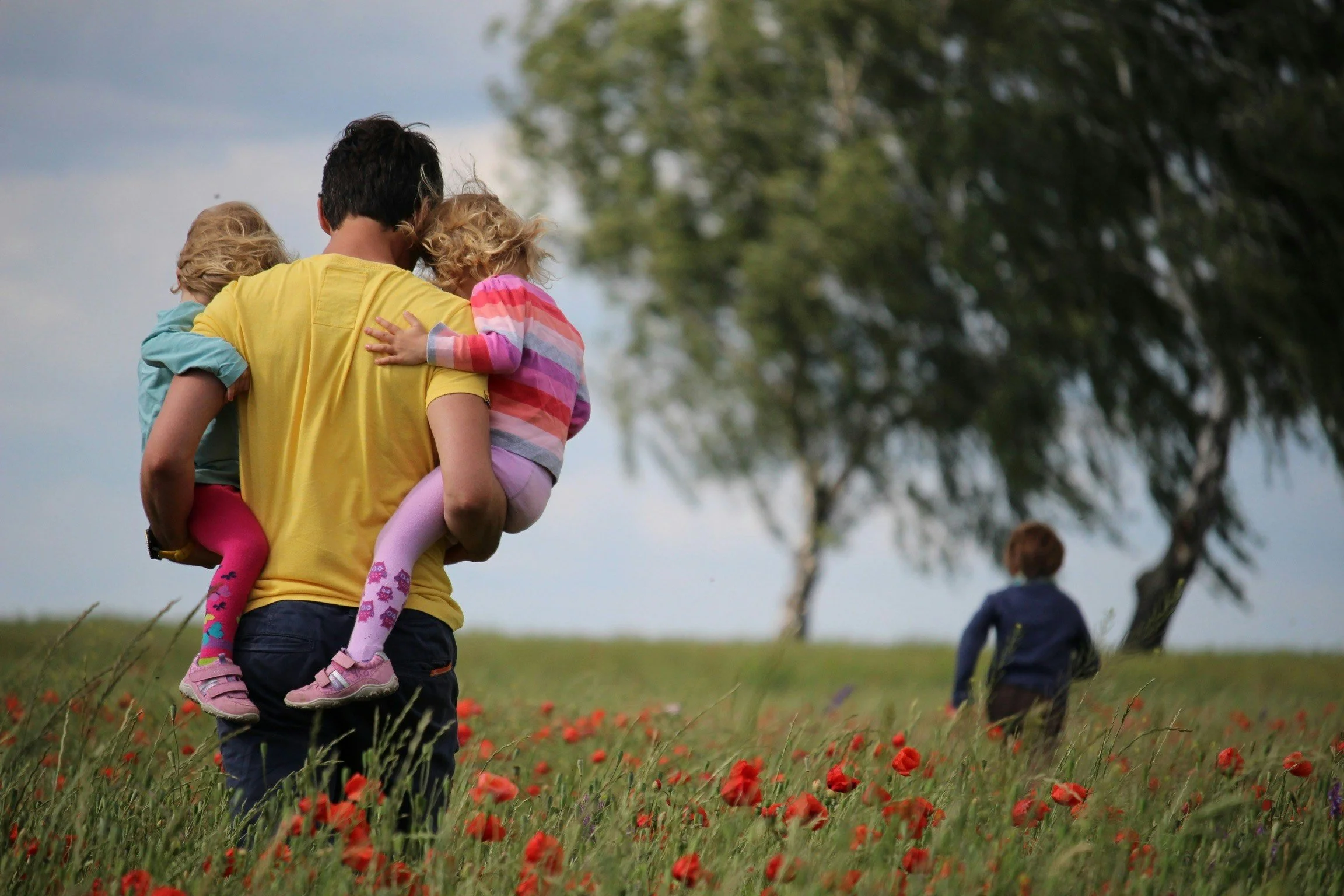
We like to imagine that all of our children got the same version of us.
They did not.
You were a different person when each child entered the family. Your experience, confidence, stress, career, finances, relationships, and perspective changed along the way. Things that sent you scrambling for a parenting book with your first child may barely register by your third.
I barely bat an eye when my third tells me to shut up.
Okay, I bat an eye. But it is a much calmer and more experienced eye.
Our children don't just grow up. We do too.
The parenting decisions we make are shaped by who we are at that particular point in our lives. Even when we have the same intentions for each child, our responses may look different because our circumstances and experiences have changed.
3. Birth Order Changes the Family a Child Enters
The oldest begins life surrounded by adults who are attentive to every peep, nap, milestone, and suspicious-looking rash.
The youngest has never known a world without bigger kids talking, teasing, helping, interfering, and occasionally parenting them without applying for the job.
A middle child knows what it is to be both the younger and the older sibling.
Even when the house and parents remain the same, the family system itself changes with every child who enters it.
Older siblings may experience more one-on-one time with parents, while younger siblings often have to navigate an already established family dynamic. Siblings also influence one another in ways parents cannot always predict or control.
Birth order does not determine a child's personality, but it can shape the experiences, relationships, and expectations that contribute to how each child sees their place in the family.
4. Each Child Brings Out Different Parenting in Us
This is easy to overlook.
A cautious child may elicit more protectiveness. An impulsive child may elicit more monitoring and control. A highly responsible child may naturally receive more freedom, while we may struggle to loosen the reins with a child who still needs more support.
Parenting shapes children, but children also shape parenting.
Sometimes, we respond differently to our children because they genuinely need different things. Other times, our own worries, expectations, or assumptions influence how we respond.
The challenge is learning to recognize the difference.
A child who seems independent may still need reassurance. A child who frequently needs reminders may be struggling with skills that have not fully developed yet, rather than simply refusing to cooperate.
Understanding each child's needs helps us respond with greater intention instead of automatically applying the same approach to everyone.
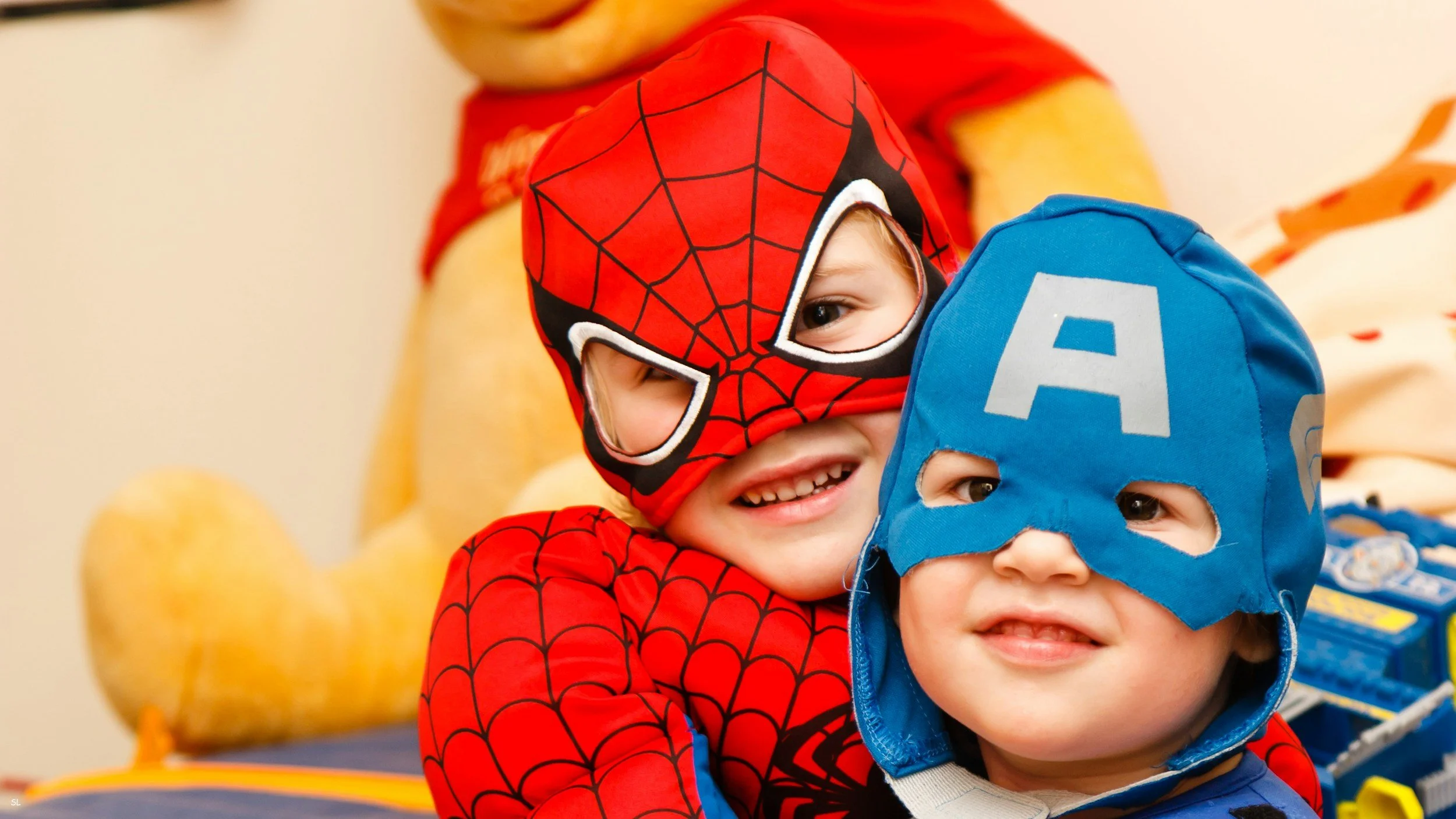
5. Fair Does Not Mean the Same
This may be the hardest one to sell to the people actually living in your house.
One child may need reminders and structure at 14 that another didn’t need at 11. One may be ready to stay home alone earlier. Another may need more reassurance, more supervision, or more time before taking on the same independence.
If the goal is to give each child what they need to grow, treating three different children exactly the same isn't necessarily fair.
Fairness is not always about identical rules, privileges, or consequences. Sometimes, it means considering each child's maturity, abilities, responsibilities, and individual needs.
Of course, this is much easier to explain to another adult than to a child who is convinced their sibling has received an unfair promotion to dishwasher exemption.
That said… this truth does not prevent them from filing formal complaints with management.
6. Strengths Have Flip Sides
The highly driven child may also struggle with anxiety and perfectionism. The easygoing child may procrastinate and miss deadlines. The socially gifted child may become overly dependent on peer approval. The fiercely independent child may have trouble asking for help.
Often, the qualities we most admire in our children carry vulnerabilities right alongside them.
A strong sense of responsibility can be wonderful, but it can also make it difficult for a child to tolerate mistakes. Independence can foster confidence, but it may also make asking for help feel uncomfortable. Sensitivity can help a child connect deeply with others, while also making disappointment feel especially painful.
Part of parenting is resisting the urge to eliminate the difficult side of a trait while still wanting to preserve the wonderful part.
It also means remembering that a child's strengths do not cancel out their struggles—and their struggles do not erase their strengths.
Our job is not to make every difficult quality disappear. It is to help our children understand themselves, build useful skills, and learn how to work with the people they are becoming.
7. Every Child Finds a Niche in the Family
Without anyone consciously assigning roles, siblings tend to differentiate themselves.
One becomes “the athletic one.” Another is “the smart one,” “the funny one,” “the responsible one,” “the sensitive one,” or, unfortunately, “the difficult one.”
Those identities can become surprisingly powerful. Once they take hold, the whole family can inadvertently reinforce them.
When a child is consistently viewed as the responsible one, we may expect them to manage more without asking whether they need help. When another is labeled the difficult one, we may begin anticipating problems before giving them a chance to surprise us.
Even positive labels can become limiting if children feel they must always live up to them.
It is worth noticing the stories we tell about our children—and making sure we leave them room to surprise us.
Our children are more than their roles in the family. They are growing, changing people who deserve the opportunity to discover new interests, develop new strengths, make mistakes, and become someone we might not have expected.
Parenting Each Child as an Individual
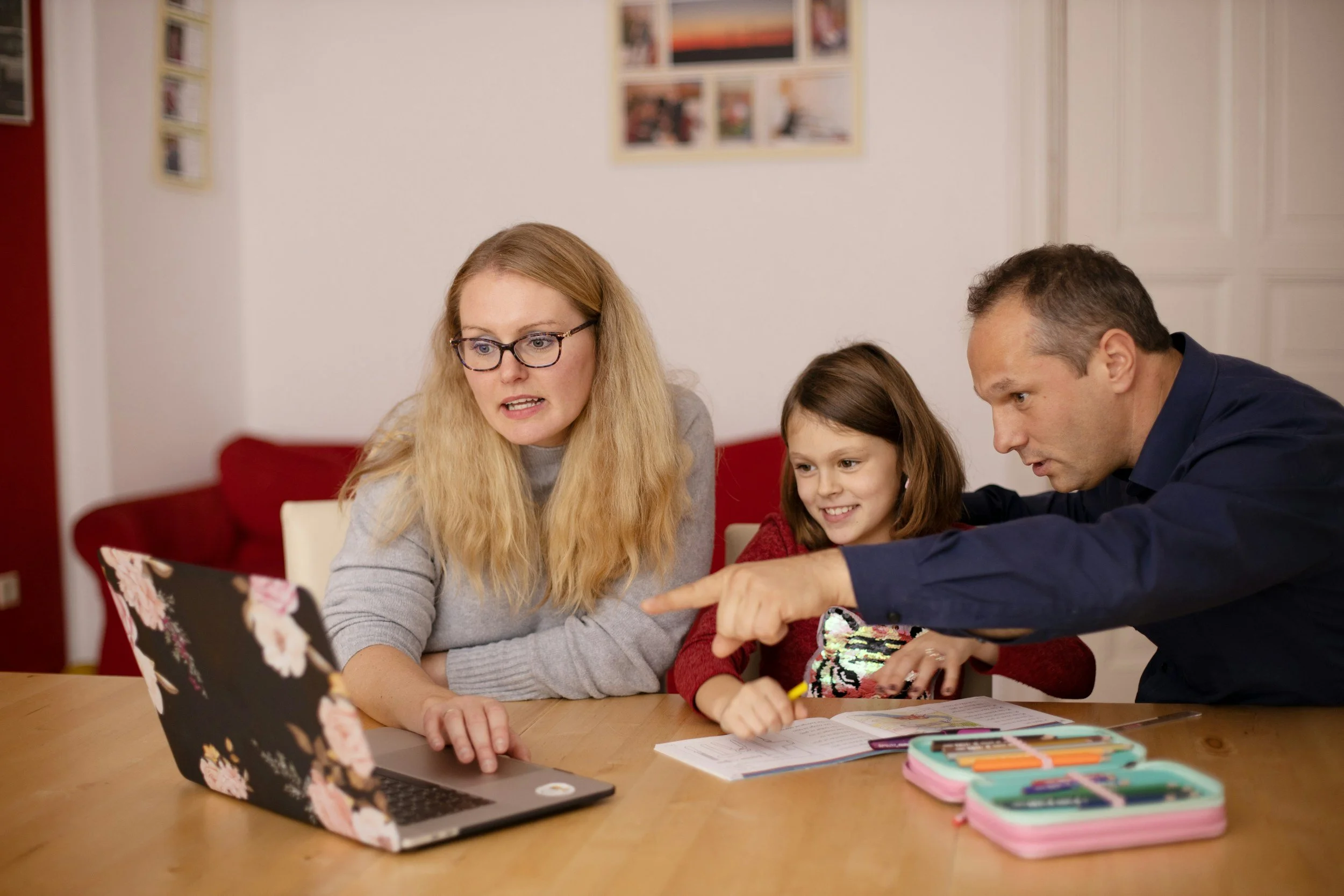
Our little cherubs came to us as different people. Then they were shaped by different versions of us, different places in the family, different relationships, and entirely different experiences outside our home.
Of course they are becoming different people.
The goal was never to raise three little clones.
Hopefully, if we have done our part and parented them as individuals, beneath all those differences, they carry some of the same things with them: a sense that they are safe and loved, confidence that they can handle hard things, a feeling of belonging, and genuine concern for other people.
That requires us to stay curious about who our children are, rather than relying too heavily on who we think they should be. It means adjusting our expectations when necessary, recognizing that different children may need different kinds of support, and allowing them to grow in ways that may look very different from their siblings.
As they get older, something that was apparent when they were little becomes impossible to miss: we aren't manufacturing a particular kind of adult.
Maybe our job is simply to build a family sturdy enough for several very different people to figure out who they are.
And then, as they become increasingly different from us—and increasingly different from each other—we get the privilege of watching them become themselves.
Even though, obviously, one of them is still my favorite.
Understanding Your Child's Individual Needs
Every child has their own temperament, strengths, challenges, and developmental needs. Understanding those differences can help parents respond with greater confidence, strengthen family relationships, and recognize when a child might benefit from additional support.
At Wasatch Learning & Wellness in Sandy, Utah, we provide comprehensive psychological evaluations and therapy for children, teens, and adults. Our services can help families better understand concerns related to emotional well-being, attention, behavior, learning, and development.
A psychological evaluation may be helpful when parents have questions about their child's learning, attention, emotional functioning, or developmental profile. Therapy can also provide children and teens with a supportive space to build skills, work through challenges, and better understand themselves.
Not sure where to begin? Schedule a free consultation with a psychologist to discuss your concerns, ask questions, and determine which services may be the best fit for you or your child.
Clear Insight. Meaningful Change.
About Wasatch Learning & Wellness
At Wasatch Learning & Wellness in Sandy, Utah, we provide comprehensive psychological evaluations for children, teens, and adults, along with compassionate therapy services for ADHD, autism, anxiety, depression, learning differences, and other mental health concerns. Our mission is to help individuals and families better understand themselves through expert, evidence-based care that leads to lasting growth.
Whether you're seeking answers through a psychological evaluation or looking for ongoing therapeutic support, our experienced team is here to help you move forward with confidence, clarity, and compassion.
