
Be the Gardener, Not the Carpenter: Parenting Neurodivergent Children with Acceptance
One of the most meaningful lessons I've learned as a parent came from a podcast I listened to years ago when my children were little. I couldn't tell you the name of the podcast, who hosted it, or even who the guest was—but I have never forgotten one sentence.
After having her second child diagnosed with autism, the guest said:
"I decided to raise the kids I had instead of the kids I'd dreamed I'd have."
That statement changed the course of my journey as a mother.
Parenting the Child in Front of You
Let's face it—parenting is hard. Whether you're raising toddlers, teenagers, or somewhere in between, you're constantly confronted with your own imperfections. Every parent imagines what their child's future might look like, but life often unfolds differently than expected.
Maybe your child struggles with ADHD, autism, anxiety, depression, or another learning difference. Maybe school is harder than you anticipated. Maybe social situations are overwhelming. Maybe they have interests that surprise you—or they simply don't fit the picture you once imagined.
At some point, every parent faces the same choice:
Will I keep chasing the child I imagined, or will I embrace the incredible child standing in front of me?
A Lesson in Neurodiversity and Acceptance
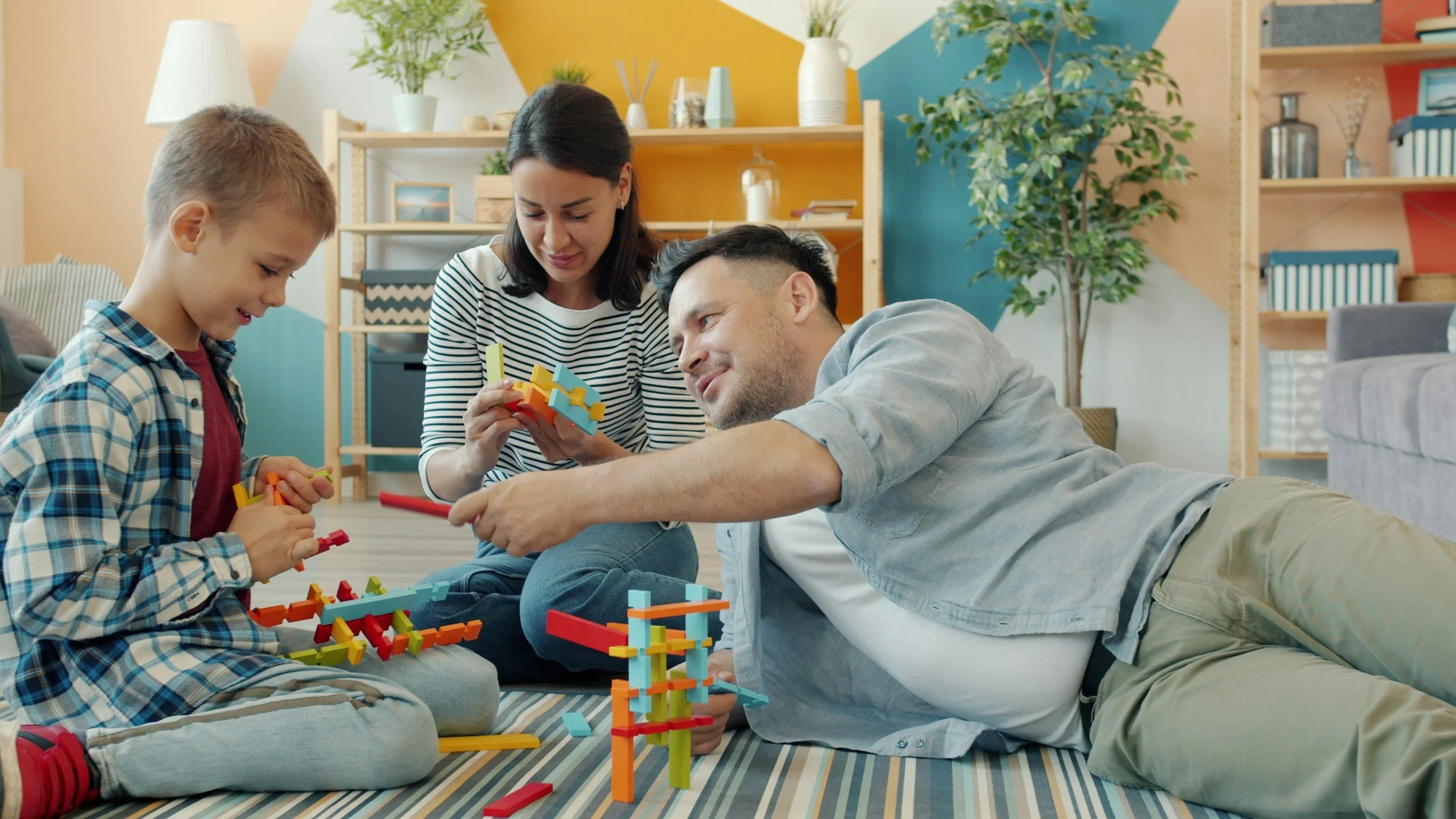
Through raising my three children, I've stopped seeing myself as a woodworker and started thinking more like a gardener.
A woodworker shapes raw material into a specific vision.
A gardener nurtures what is already there.
They prepare the soil, provide water, make sure there's sunlight, and trust that every seed already contains its own blueprint.
Parenting is much the same.
Our children already come with their own personalities, strengths, challenges, interests, and ways of experiencing the world. This is especially true for neurodivergent children, including those with ADHD, autism, learning differences, or anxiety. Our role isn't to mold them into someone else—it's to create an environment where they can thrive.
Children Aren't Projects to Perfect
This realization has been incredibly freeing.
It allowed me to stop measuring every parenting decision by whether it would produce the "perfect" child.
Instead, I began focusing on creating a home where my children feel safe, understood, and deeply loved.
After sixteen years of parenting, I've become convinced that children arrive with a tremendous amount of pre-programming already in place. They come with temperaments, talents, sensitivities, vulnerabilities, and passions waiting to be nurtured.
Of course, our job is still to teach.
Fire is dangerous.
Brush your teeth.
Wear your coat in January.
Riptides are deadly.
Takis and Monster Energy are not a balanced diet.
Those things matter.
But beyond those basics, one of our greatest responsibilities is helping our children know—deep in their bones—that they are accepted exactly as they are today.

Focus on What Truly Matters
In our family, we've learned not to sweat the small stuff.
We're much more concerned about kindness, honesty, accountability, empathy, and repairing mistakes than whether someone remembered a napkin, laughed too hard at potty humor, or occasionally let a swear word slip.
Family dinners sometimes end in wrestling matches.
Sometimes everyone is standing on chairs.
Sometimes our children spend an entire meal explaining why we're "cringe."
Like I said—I am no parenting expert.
Middle School Is an Adventure
Eighth grade deserves its own category.
If there aren't occasional fireworks, are you even parenting a middle schooler?
Both of my boys earned their first—and in one case, second—trip to the principal's office during eighth grade.
One decided to open a lunchtime barber shop in the boys' bathroom using his dad's clippers. He was making a profit.
The other walked out of school to attend a protest. Unfortunately... He went on the wrong day. The protest wasn't until the following afternoon, so he and fourteen-year-old friends spent the afternoon at a trampoline park instead.
Honestly? Pretty typical decisions for teenagers with developing frontal lobes. The very next month, that same son was recognized as Student of the Month because his teachers described him as respectful, kind, and always willing to help others.
Turns out...We're doing okay.
Finding Joy in Raising Neurodivergent Children
The moment we stop parenting according to society's expectations and start becoming genuinely curious about who our children are, parenting becomes so much more joyful.
We get front-row seats to watch them become exactly who they were meant to be.
We celebrate their humor—even when it's poorly timed.
We appreciate their creativity.
We admire their curiosity.
We encourage their adventurous spirit.
Most importantly, we build relationships where our children know they are safe with us. They know we're in their corner. They know our love isn't dependent on grades, achievements, behavior charts, or fitting someone else's expectations.
Final Thoughts
If you've established healthy boundaries around your true non-negotiables, error on the side of enjoying your child.
Especially if you're parenting a child with ADHD, autism, anxiety, learning differences, or another form of neurodiversity, remember that your goal isn't to change who they are.
Your goal is to help them become the healthiest, happiest version of themselves.
I don't think you'll ever regret choosing connection over perfection.
About Wasatch Learning & Wellness
At Wasatch Learning & Wellness in Sandy, Utah, we provide comprehensive psychological evaluations for children, teens, and adults, along with compassionate therapy servicesfor ADHD, autism, anxiety, depression, learning differences, and other mental health concerns. Our mission is to help individuals and families better understand themselves through expert, evidence-based care that leads to lasting growth.
Clear Insight. Meaningful Change.
Whether you're seeking answers through a psychological evaluation or looking for ongoing therapeutic support, our experienced team ishere to help you move forward with confidence, clarity, and compassion.
